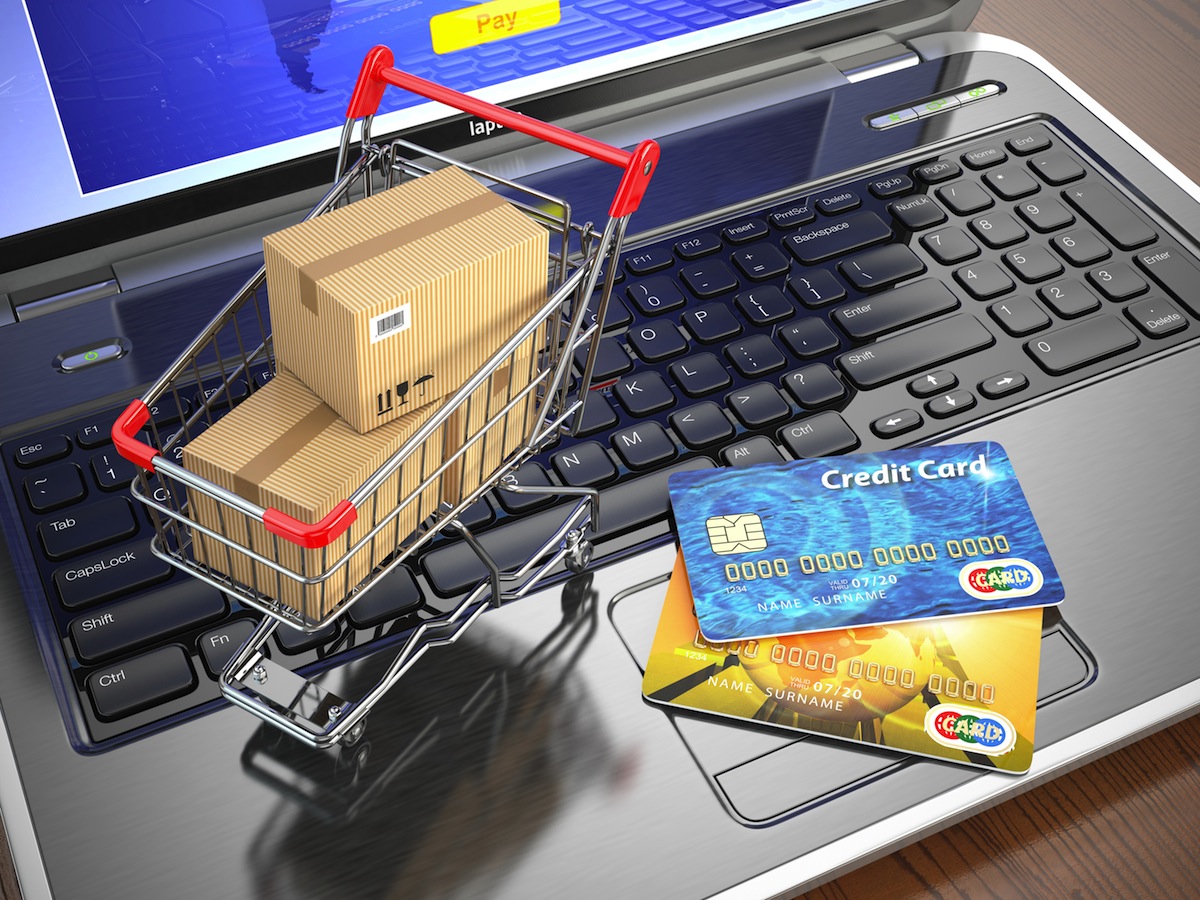
E-commerce, electronic commerce, online or online commerce: all these terms refer to the purchase and sale of goods or services using automated information technologies. The Internet is the underlying technology. But other forms of digital data transmission and processing, such as mobile telephony, electronic customer databases or accounting software, are also used in this field. So what is e-commerce, what are its pros and cons, and what are the current trends?
What Is E-Commerce?
Besides the procurement processes themselves, e-commerce requires all the processes that initiate and process a purchase. An online shop is a central distribution channel where prospective customers can not only search the product collection but also order and pay through a specific digital system. An electronic goods management system records the sold product and updates the inventory. An RFID tag accompanies the shipping route. Ultimately, you can handle the customer relationship well with CRM systems.
In a narrower definition, electronic commerce is, therefore, part of E-Business. This includes all automated business processes in which electronic information and communication technologies are used. The goal of using these largely automated business processes is to make work more efficient and increase revenue.
Digital technologies are the basis of electronic commerce. Suppliers and customers exchange digital data within this framework. Very different techniques can then be involved: The spectrum ranges from simple radio technology (e.g., Bluetooth) to very complex systems based on artificial intelligence (AI). In addition to communication technologies via the Internet and telephony, electronic databases, word processing software, social media, or television as an advertising channel, payment transactions via online banking services and online banking services are also used. Chatbots for customer service. This creates a widespread digital infrastructure of wireless or wired networks. The common denominator is that spatial distances no longer matter. Sometimes its technologies replace entirely physical contact. With e-commerce, consumers no longer need to visit a physical store or get advice in person.
Note
The term “e-commerce” – or sometimes “eCommerce” – derives from the English term “electronic commerce” All the processes related to the purchase and sale of goods and services are thus handled by digital systems, whether it is the Internet, computerized databases or accounting software.
Characteristics Of E-Commerce
For businesses, the goal of e-commerce is to optimize sales processes so that they can generate more revenue. The aim is thus to make all sales-related operations more efficient and to reduce the associated costs. Companies have gained new sales channels through the Internet through online stores, marketplaces, or auction platforms. Through social media, Internet advertisements, newsletters, and automated CRM systems, merchants can gain new customers and improve their relationships with them with relatively little effort.
Online merchants often decide which technologies and sales channels they want to use based on their industry and business goals. It is by no means necessary to digitize all processes. The trend is more towards multichannel and cross-channel marketing, which simultaneously encompass several channels in their strategy. For example, a furniture store can gain customers by having an online presence. At the same time, it should always offer a physical store or at least a showroom. In this way, customers can take a look at their pre-selected items before validating or collecting the ordered merchandise themselves. They thus save shipping costs, which are sometimes a dissuasive factor for large parcels.
In the field of online commerce, all channels must be perfectly coordinated. The electronic technologies used must be integrated as well as possible into the value chain, that is to say from logistics to marketing as well as to customer service. For example, a product advertised on the website as available must indeed be in the warehouse to meet the announced deadlines.
The goal of e-commerce is to improve its performance. It speeds up the selling process, for example. Customers can conveniently access the collection at any time from their smartphone or personal computer. Computer-aided systems simplify and save time operations. At the same time, employee salaries would also be reduced. E-commerce also saves one or two rentals if you don’t have your shops. It is also much cheaper to distribute offers over the Internet than to mail or hire someone to distribute flyers. Companies can open up new markets much more comfortable and less expensive, and go international in particular.
E-commerce allows all types of commercial transactions. The latter can be dealt with both in B2C (trade between companies and consumers) but also in B2B (industrial relations between companies).
Benefits Of E-Commerce
There are several ways that businesses can benefit from e-commerce. Here are some of its significant advantages:
- Distances overcome: The Internet makes it possible to avoid traders being dependent on a fixed point of sale. They can launch into new sales markets across the regions. Although the distribution of material goods continues to require expansion of logistics capacities, there is no need to open new sites. The communication facilities that the Internet offers often reduce some business travel needs. From the perspective of consumers, the advantage of e-commerce is that they can choose from a wide range of products and directly compare quality and price.
- Faster ordering processes: e-commerce permits instant transactions. Buyers will not go to a store to buy their items. They can place orders from home or any computer or mobile device 24 hours a day. Dedicated systems automatically submit an automated order confirmation. On the seller side, offering and managing your services online is very easy. For starters, a travel agency can quickly advise people interested in reservations for destinations and processes.
- Reduced transaction costs through electronic commerce: e-commerce can potentially make it possible to avoid the need to rent new shops and new warehouses. Inventory, cash register, and other systems designed specifically for managing online stores automatically track inventory and cash flow. The coordination of the different departments is then facilitated, and new business models can be developed. To increase their competitiveness, small and medium-sized enterprises can additionally cooperate with online service providers: for example, instead of using their online store, they can use the Amazon Marketplace or the auction platform eBay to partly outsource their sales and at the same time take advantage of the broad reach of these platforms.
- Simple omnichannel and multichannel marketing: If the situation allows it, it is worthwhile to initiate an online and offline presence using all the channels available to you. If you use an online store, social media, and a business of your own, then consumers have more points of contact to turn to access your offering.
- Wide Reach Ads: Social media, blogs, and corporate websites provide inexpensive ways to draw attention to offers. Companies are active on Facebook benefit in particular from the broad reach of this network. SEO marketing and online ads can be crafted excellently with an ad budget that is often much less than traditional ads, such as those printed in magazines or broadcast on television. Additionally, online advertising is more straightforward to personalize than conventional advertising.
- Client-friendly opportunities: Social media enables you to create a more intimate connection with potential clients and boost your company profile. Monitoring and analysis tools allow personal data collection and the creation of detailed customer profiles. This facilitates the planning of publicity campaigns and adapts the product range to demand. CRM systems promote staying in touch with clients.
- More Satisfied Customers: Customer service by email, online contact forms, or instant messaging can overcome the shyness of some to ask for advice. Using these technologies, customers can ask questions around the clock and receive a quick response. Simplifying the processes for placing and paying for an order dramatically reduces the effort of customers and businesses.
The Disadvantages Of E-Commerce
E-commerce can also present some drawbacks for businesses and customers. Much depends on the industry in which you operate and the capabilities available to you.
- Complex implementation: Building a digital infrastructure takes time and money. Not all small retailers have the know-how or the human and financial capacities to set up an online store or manage their social media regularly. It doesn’t make sense to maintain a website intermittently. Also, shipping terms and complaints can be a significant drag in online commerce.
- Expertise and work on advertising: To assess how much you will be able to save costs, it is necessary to take into account the industry in which you work. In highly competitive markets, businesses are struggling with tooth and nail to gain attention on the World Wide Web. A simple Google AdWords advertising campaign is not enough. Additionally, with smartphones and social media, users’ attention spans have become shorter. As for search engine marketing (SEO), it requires know-how or sometimes the more expensive support of a specialized agency. Here, small businesses usually fail to compete with large companies.
- Increased competition and price pressure: Global online commerce has increased the number of competitors exponentially. If supply exceeds demand, there is enormous pressure on companies in their pricing strategies. Price comparison portals also allow consumers to choose the cheapest offer with just a few clicks. From local businesses, it is challenging, depending on the industry, to oppose such price wars and generate profits.
- Lack of personalized advice: Not all online retailers can offer 24-hour customer service or have the resources to integrate chatbots into their website. Unlike the traditional physical store, the customer will not have a direct contact for advice. Buying advice promulgated by trained staff is even more effective than notice sent by chat. E-commerce cannot wholly replace on-site advice, especially for products and services that require a lot of explanation and possibly a demonstration, such as trekking equipment or medical devices.
 The Digital Hub